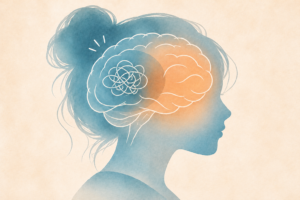
Suicide among young people continues to be an urgent global health issue that affects millions of adolescents and young adults every year. Many of those who die by suicide are high school or college students, embedded within a school community. A 2026 survey showed that 2% of college students had attempted suicide in the past year.
Among both high school and college students, suicide is especially common among transfer students and sexual and racial minorities, particularly transgender students.
When a student takes their own life, schools can offer different forms of support and care. As both communities in themselves and contact points with other communities, they may act as mediators for psychological support, offer spaces and processes for collective grieving and guide careful communication that avoids stigma or glamorisation of suicide.
This support and guidance can be invaluable, not only in supporting young people’s well-being but also in preventing other suicides within the community.
In recent years, different bodies have worked to produce guidelines for schools responding to a suicide in their community, known as suicide postvention. In this article, we discuss the guidelines and ideas and outline some of the signs that a young person requires additional help.
Clusters of Suicides
Schools are a type of community, constituting microsocieties of behaviours, trends and dynamics. Students replicate, learn from and internalise behaviours from one another.
When a student dies by suicide, it can make it more likely for other students to take their own lives. This can lead to clustering, whereby multiple suicides happen in a time frame or place, at a higher rate than would be expected in that community. Clustering is more common among young people than adults.
It’s not clear exactly how clustering happens. One explanation is that a young person’s emotional state is internalised by others through empathy and identification with their experiences. Sadly, exposure to suicide is very common: studies have found that around one third of adults have been exposed to at least one death by suicide in their social relationships. Around one in five adolescents may have been exposed to suicide.
Outside of their school community, young people can also be exposed to suicide through social media, news outlets, film and series. Some films and series have been criticised for glamorising suicide and making it more likely for young people to take their own lives.
How Can Schools Respond to Suicide?
In recent decades, educational institutions have taken on increasing responsibilities in suicide prevention. Schools are often able to identify students who face mental health challenges and may be experiencing suicidal thoughts. They’re also well-placed to offer broader educational interventions around suicide prevention, including challenging stigma, help-seeking and recognising warning signs.
Schools can also act after a suicide happens, bearing in mind the subsequent increase in risk of other suicides and suicide clusters. Known as “suicide postvention”, these interventions can help other students cope with the suicide of their friend or peer and make it less likely for further suicides to happen.
What Do School Suicide Postventions Involve?
Several organisations have shared guidelines for what suicide postvention in schools might look like. Some of the key themes that emerged were:
- Communication to students, staff, the wider community and the media – Schools should communicate that the suicide has happened using language and form that neither stigmatises nor glamorises suicide. This means avoiding language like “committed” suicide, leaving out details about the method of suicide and sharing information about how people can reach help.
- Identifying students at higher risk of suicide – Risk factors might include existing mental health challenges, close relationships with the person who died by suicide and new experiences of suicidal thoughts and ideation.
- Connecting at-risk students with appropriate support – Students who are especially vulnerable to suicide should be connected to professional mental health support. Schools can find clinicians, hospitals and clinics that can provide this care in advance to facilitate the connection process if a suicide does happen.
- Community-based student support – Students who may not be in need of individualised, specialist support should still receive community-based support and care. This might include holding gatherings where students can grieve as a community and letting people know where they can seek further support.
- Funerals and memorials – Funerals and memorials should be similar to ceremonies for people who have died in other ways, to avoid stigmatising or glamorising suicide.
- Community relationships – Schools should work on building relationships with health officials, crisis centres and counsellors so they are not left to manage the aftermath of a suicide alone.
What Are the Signs That A Young Person May Need Additional Help?
It’s not always easy to recognise when a young person needs professional mental health support. This is especially true during grieving processes, when it’s normal for teens and young adults to experience changing, intense emotions, new ways of thinking and different social needs.
However, there are some signs that may indicate that a young person is in need of additional support. This might be because they are struggling with their mental health, have developed complicated grief or are experiencing suicidal thoughts themselves.
Some of these signs include:
- Withdrawing from close friends and family
- Stopping doing activities that they usually enjoy or seeming unable to find pleasure in things
- Talking about feeling like a burden
- Expressions of guilt or worthlessness
- Prolonged sleeping difficulties or loss of appetite
- Persistent sadness or emptiness that is hard to soothe
- Expressing a preoccupation with death
- Trauma symptoms, such as flashbacks or dissociation
This list is not exhaustive, and a young person may be in need of additional help without showing any of these signs. If you’re concerned about a young person, it’s always important to approach them and open a conversation about what they’re going through and the kind of support that could help.
What Treatment Approaches Can Support Young People Struggling to Cope with Grief?
There isn’t one single best treatment approach for young people having difficulty coping with grief. The most suitable treatment depends upon a child or adolescent’s individual characteristics and the kind of mental health problems that they are experiencing. They might benefit from specialised treatments for anxiety, trauma or depression.
However, there are some treatment approaches that have been developed specifically for grief and complicated grief. Complicated grief treatment (CGT) is a treatment modality grounded in attachment theory, using techniques from interpersonal psychotherapy, CBT for PTSD, and motivational interviewing. It’s shown promise in supporting people grieving a suicide.
Suicide Postvention: A Summary of Research
So far, only a few preliminary studies have looked into the effectiveness of postvention strategies in schools. They found that several different interventions, including support groups, open meetings, memorials and a crisis team, had a positive impact on school community members affected by a suicide.
Within the broader literature, evidence suggests that treatment approaches such as CGT can support individuals bereaved by suicide. Likewise, suicide survivors often describe both professional support and speaking with others who share their experience as important in their healing processes.
The Wave: Pioneering Mental Health Care for Young People and Families
The Wave offers specialist mental health programs for adolescents, young adults and families. We provide a trauma-focused, community-centred approach to recovery, emphasising the importance of interpersonal relationships in mental well-being. Our residential programs combine exceptional clinical care with enriching experiences, education and social projects, building life skills and life paths towards the future.
Our team is composed of experts in child and adolescent psychiatry around the world, applying their broad and specialist experience to every program.
If you’re interested in finding out more about what we have to offer, get in touch today. We’re here to help.