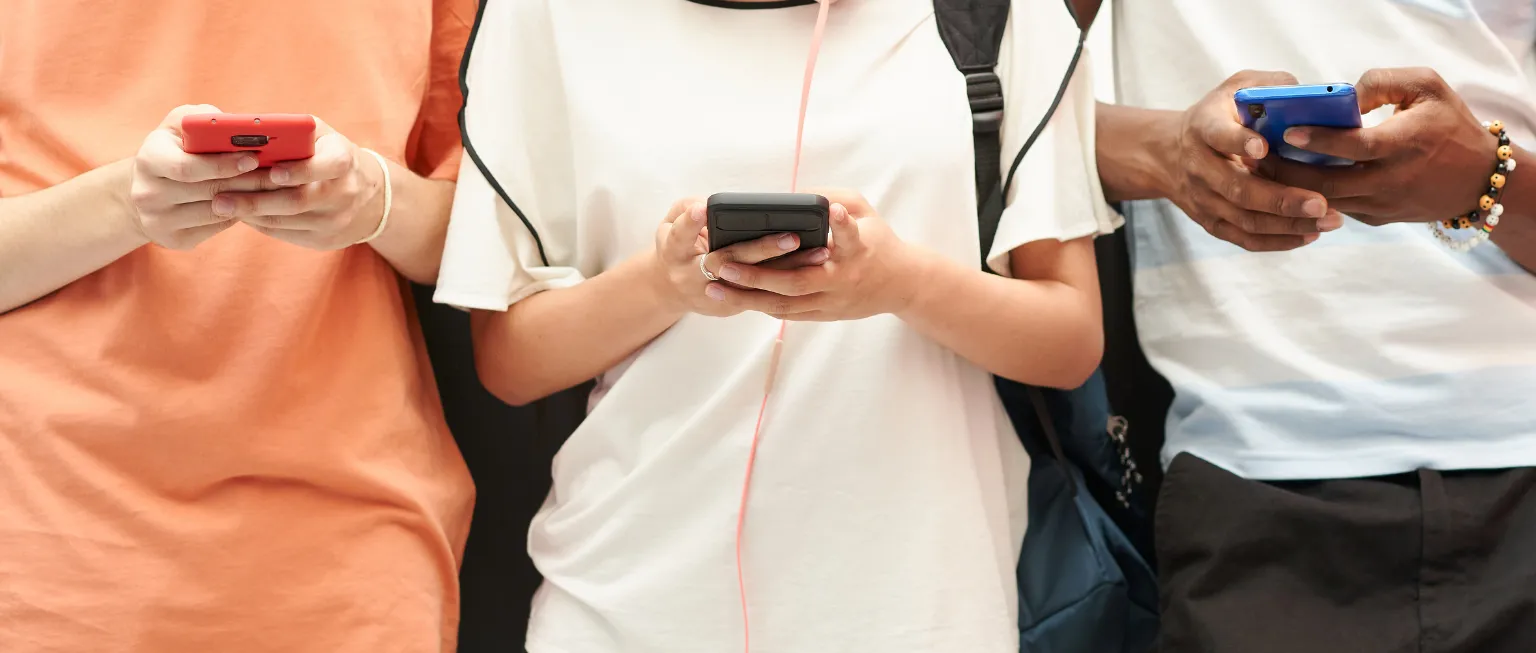
In June, the UK government announced plans to ban social media use for under-16s. This decision followed a consultation process with parents, children and experts across the country, in which 85% of parents said they would support the ban.
But although the social media ban may have the support of parents, many adolescents feel like their voices are not being heard. Experts from different fields have also raised concerns that a social media ban would exclude marginalised people from their communities while increasing unmonitored access to harmful content.
Tech Companies, Not Young People: Understanding the Root of the Problem
Young people are exposed to numerous forms of harm on social media. From misogynistic content to accounts that encourage dieting and food restriction, from violent images to abusive comments, social media often isn’t a safe place for young people to exist.
At the same time, social media continues to eat away at real-life interactions, replacing in-person socialising and shared experiences with online conversations.
But the root cause of this harm is not young people’s decision to use social media, nor their presence online. Instead, the companies behind social media platforms hold the burden of responsibility.
Motivated by profit rather than well-being, these companies have repeatedly failed to effectively moderate social media content or limit young people’s exposure to harm. In reality, their algorithms are often intended to encourage excessive social media use and other unhealthy internet behaviours, increasing teenagers’ time online and creating bigger audiences for their advertisers.
Under the government’s plans, young people are being asked to pay the price for the actions of social media companies, platform design, algorithms and advertising systems that the tech industry has had the power to address for years.
Increasing Unmoderated Access to Content
Instead of protecting young people from harmful content, a social media ban is likely to push the content underground into spaces that are even less regulated. While young people may not be able to access this content through social media, they may be exposed to it on other parts of the internet, including unregulated forums and hidden online communities.
When these interactions move into less public spaces, it’s more difficult to intervene when young people are harmed or help teenagers acquire the tools they need to stay safe.
Dismantling Vital Communities for Marginalised People
While social media undoubtedly exposes young people to harm, it’s also a lifeline for many adolescents. For teenagers and young adults who rely on online spaces for connection, community and identity, the mental health consequences of banning access may be devastating.
This is particularly true for marginalised communities, such as the LGBTQI+ community. In places where connection with individuals with shared experiences of gender and sexuality can be difficult or impossible to find in real life, young people often rely on social media for relationships where they feel safe, heard, accepted, and supported.
Implementing a blanket ban may increase feelings of isolation and loneliness among young people who are already more vulnerable than others to mental health disorders, including depression and suicidality. Removing access to online communities without offering an alternative could leave adolescents even more disconnected.
Even outside of marginalised communities, social media has become a place where many of young people’s developmental needs are met. Adolescence is characterised by a need for validation, connection and independence: processes that are often played out on social media. Restricting access to platforms through legislation doesn’t change young people’s developmental needs, but may take away the spaces that can fulfil them.
Looking at Alternatives: Empowering Young People and Regulating Big Tech
As with most issues concerning young people’s mental health, addressing the harms caused by social media is not a quick, one-policy fix. Safeguarding young people requires a combination of measures involving different levels of society. This should include:
- Education for young people about how to protect their mental health online. This could take place in schools with both teachers and mental health experts.
- Support for parents sharing collaborative parenting skills for safeguarding young people online.
- Stronger regulation of technology companies, to help protect young people from harmful material and move away from set-ups and algorithms that encourage compulsive use and addiction
- Digital literacy skills learning for young people, including critical thinking skills
- Investing in community infrastructure that can improve marginalised and vulnerable young people’s access to real-life connection and support
The aim of legislation shouldn’t be to lock people out of social media, but to make spaces safer and created with young people’s well-being in mind. Social media can be a powerful space for identity exploration, connection and self-discovery, where young people can learn new ideas, build communities and share their voices. It’s the responsibility of tech companies, educators and parents to help safeguard young people’s mental health in the process.