

What is Quiet BPD?
Borderline personality disorder (BPD) can manifest in young adults in many ways. One of these ways is known as quiet BPD. One of the four
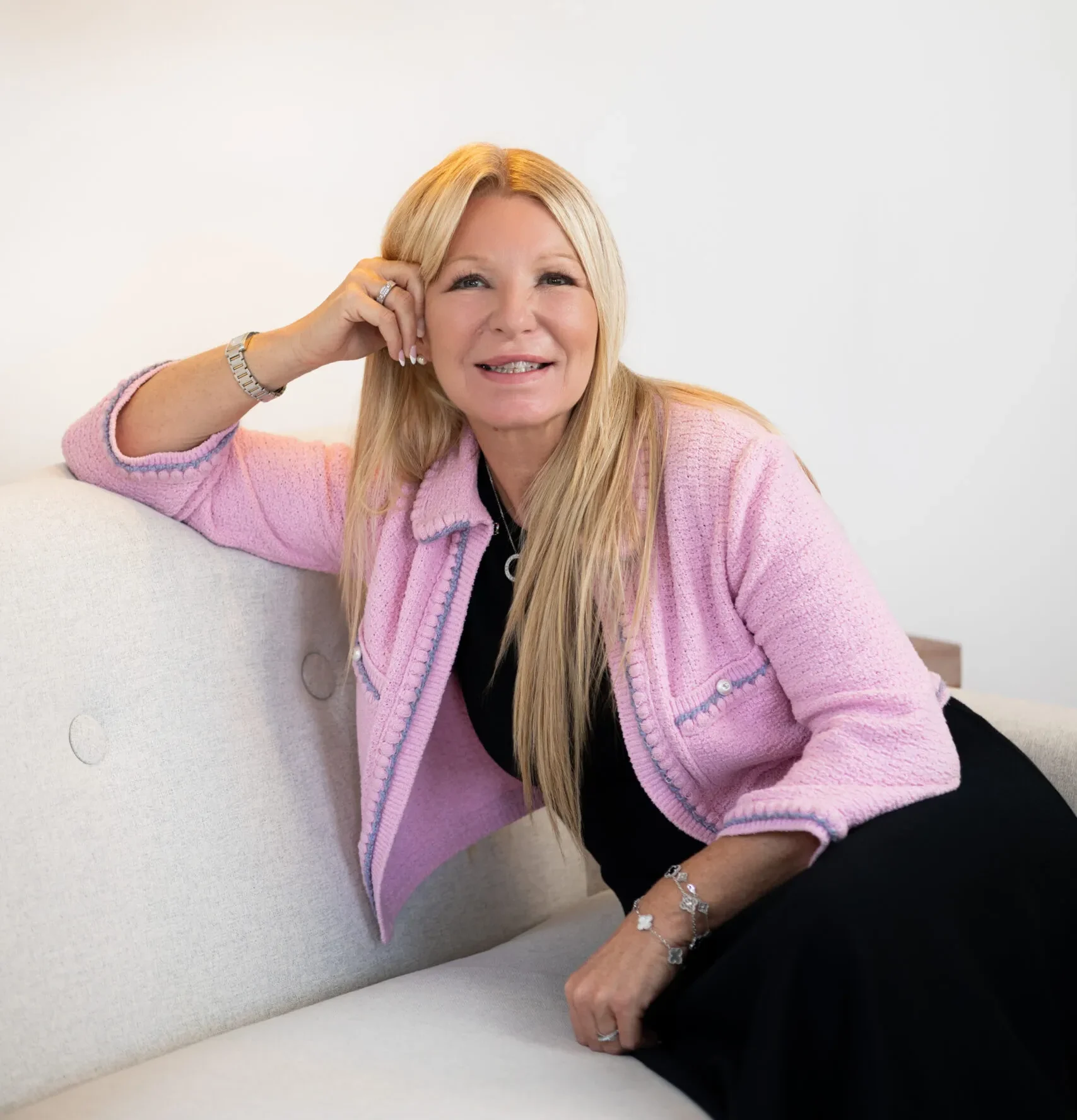
Fiona Yassin is the International Program Director at The Wave, holding multiple credentials including being a registered Psychotherapist and Accredited Clinical Supervisor in both the U.K. and UNCG (Registration number #361609 National and International Council of Psychotherapists). She is EMDR trained (EMDRIA) and practices as a Trauma therapist (Registration number #10000054651).
Fiona’s expertise includes being a member of the International Chapter of IAEDP, with training in CBTe (Oxford Group), FREED (King’s College, London), TF-CBT, RO-DBT, and GPM. Her specializations cover the treatment of Eating Disorders and Borderline Personality Disorder, as well as families in High Conflict Divorces and Psychiatry across the female lifespan.
Additionally, Fiona holds the distinction of being a Fellow of APPCH, a senior accredited Addiction Professional, and a member of The Association of Child Protection Professionals. She is also trained in MBT (Child and Family and Adult) and Reflective Parenting with The Anna Freud Centre for Children and Families, and is a Member of The Australia and New Zealand Eating Disorders Association.
Fiona holds an MSc in Neuroscience and Mental Health awarded by King’s College London, where she received The Dean’s Award. She is currently completing an MSc in Psychiatry at Cardiff University Medical School and is a PhD Candidate in Mental Health Research at Lancaster University. Outside of her professional pursuits, she enjoys spending time with her three cats, going for long walks on the beach, and appreciating the beautiful animals in her garden.
Borderline personality disorder (BPD) can manifest in young adults in many ways. One of these ways is known as quiet BPD. One of the four

Striving to do well in school is a positive trait in children and teenagers. However, when this slips into perfectionism, it can become unhealthy and

Today is World Sleep Day! The theme of this year is Quality Sleep, Sound Mind, Happy World and is dedicated to raising awareness of how

There are ten different types of personality disorders, each of which has its own unique challenges and symptoms. Some can blend together, and some do

Borderline personality disorder (BPD) is a mental health condition surrounded by harmful myths. These myths often make it much harder for those struggling with BPD

Family-based therapy (FBT), also known as the Maudsley method, is an established treatment intervention for adolescent eating disorders. Including families in the treatment of eating

Depression is one of the most common mental health conditions globally, affecting an estimated 5% of the world’s population.[1] However, depression is a major problem

Social media has become a part of everyday life. We check it on the train when we’re waiting for an appointment and if we get

Borderline personality disorder (BPD) is a mental health condition surrounded by debate. Although practitioners know a lot about BPD in adults, a question remains around

At The Wave, we pride ourselves on the education programmes we offer to all young people who stay at our centre, many of which include

The impact of every suicide is far-reaching. Research suggests that, on average, 135 people may be affected when a person takes their life. Among those

Every family experiences moments when somebody feels disappointed, misunderstood, criticised or let down – these are all part of the orchestra of family life. For

Every family has its own dynamics, its own patterns and, at times, its own moments of feeling stuck. While the details may differ, one experience


