Mental Health Support for Therapists’ Families
For therapists and psychiatrists, caring for and empathising with others is part of the profession. Therapeutic relationships require work and sensitivity, balancing emotional and social
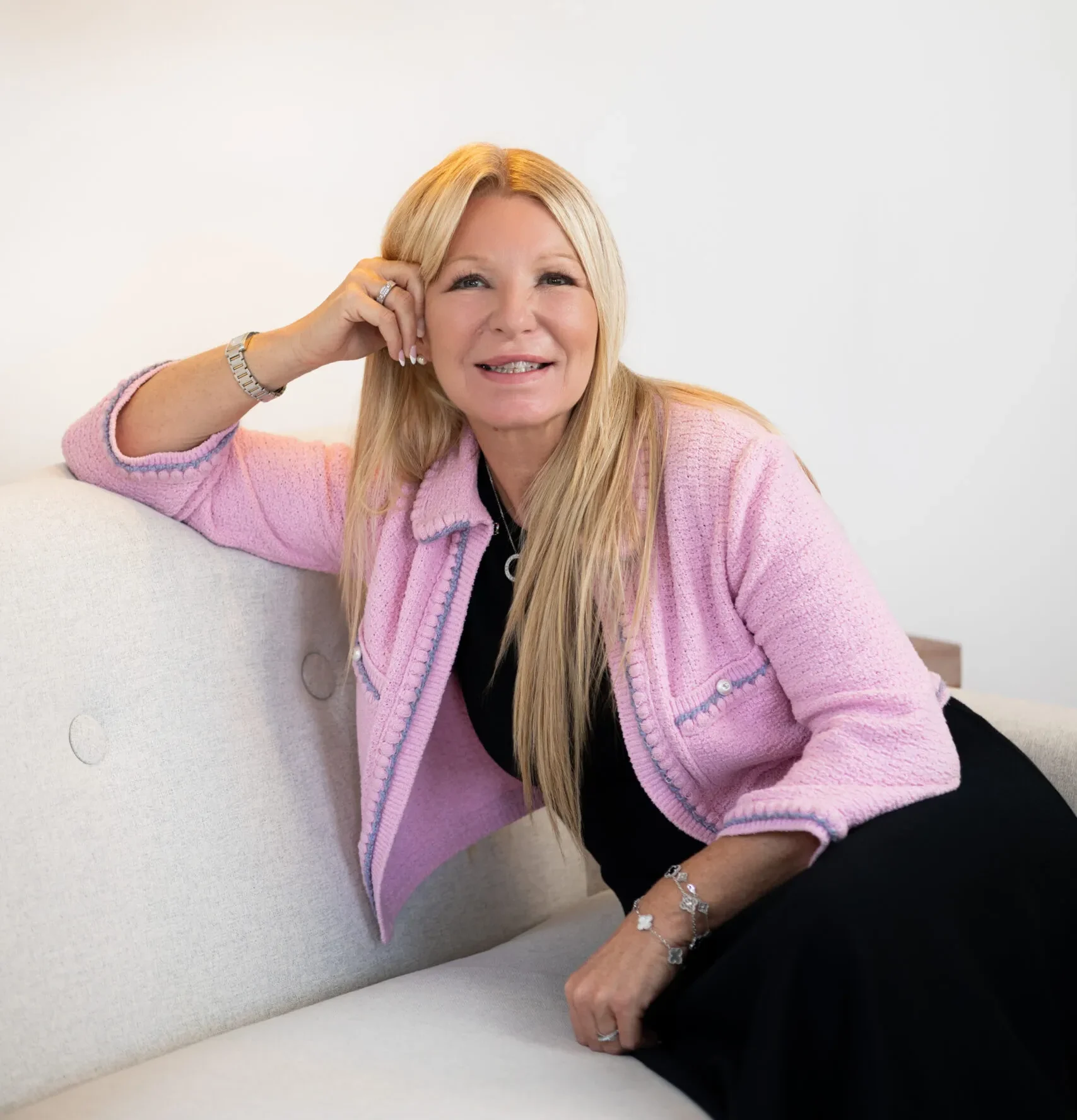
Fiona Yassin is the International Program Director at The Wave, holding multiple credentials including being a registered Psychotherapist and Accredited Clinical Supervisor in both the U.K. and UNCG (Registration number #361609 National and International Council of Psychotherapists). She is EMDR trained (EMDRIA) and practices as a Trauma therapist (Registration number #10000054651).
Fiona’s expertise includes being a member of the International Chapter of IAEDP, with training in CBTe (Oxford Group), FREED (King’s College, London), TF-CBT, RO-DBT, and GPM. Her specializations cover the treatment of Eating Disorders and Borderline Personality Disorder, as well as families in High Conflict Divorces and Psychiatry across the female lifespan.
Additionally, Fiona holds the distinction of being a Fellow of APPCH, a senior accredited Addiction Professional, and a member of The Association of Child Protection Professionals. She is also trained in MBT (Child and Family and Adult) and Reflective Parenting with The Anna Freud Centre for Children and Families, and is a Member of The Australia and New Zealand Eating Disorders Association.
Fiona holds an MSc in Neuroscience and Mental Health awarded by King’s College London, where she received The Dean’s Award. She is currently completing an MSc in Psychiatry at Cardiff University Medical School and is a PhD Candidate in Mental Health Research at Lancaster University. Outside of her professional pursuits, she enjoys spending time with her three cats, going for long walks on the beach, and appreciating the beautiful animals in her garden.

For therapists and psychiatrists, caring for and empathising with others is part of the profession. Therapeutic relationships require work and sensitivity, balancing emotional and social

When teenagers receive a mental health diagnosis, they may experience a mixture of feelings. Some teenagers feel relieved when they are diagnosed with a mental

Young people with borderline personality disorder often experience feelings of emptiness. They might describe these feelings in different ways. They may talk about a sense

This blog explores the similarities and differences between borderline personality disorder and complex PTSD, and what is needed to make an accurate diagnosis. It also offers some information on the medical and social context in Australia, and how this can impact diagnostic practices.

Borderline personality disorder used to only be diagnosed in young people after the age of 18. But there is now a consensus in the medical community that BPD can be reliably and accurately diagnosed during adolescence, with a similar prevalence and stability of symptoms to the disorder among adults.

Psychotherapy approaches can be delivered in both residential and outpatient settings. In outpatient settings, young people with borderline personality disorder attend regular therapy sessions while continuing to live in their home environment. They may participate in a combination of different approaches, or one psychotherapy approach alongside other kinds of psychosocial support.

This blog explores some of the gender differences in different aspects of borderline personality disorder. Unfortuantely, most studies include adults and not adolescents, and include only women and men. We’ve included some of the key research findings here.

This blog offers some information about our stress response system, toxic stress, and how it affects young people. It also provides some advice for caregivers supporting children in very stressful contexts.
Social media use can quickly become problematic, developing into addictive behaviours and contributing to mental health problems like low self-esteem, anxiety, and depression.

Age-appropriate content is suitable for a young person’s developmental age, cognitive skills, and social maturity. It considers the kinds of information that young people can

In June, the UK government announced plans to ban social media use for under-16s. This decision followed a consultation process with parents, children and experts

Eating disorders are about more than food and body image. We now know that eating problems are complex mental health conditions underpinned by an interplay

Every generation develops its own language, and for parents trying to keep pace with life online, it can sometimes feel as though the vocabulary changes


Have any questions or want to get started with the admissions process? Fill in the form below and we’ll get back to you as soon as possible.