

More Than Just a Spoon: How the Sensory Experience of Cutlery Can Shape Eating Disorder Recovery
When we think about eating disorders, our attention naturally turns to food. We talk about nutrition, meal plans, fear foods and the emotions that can
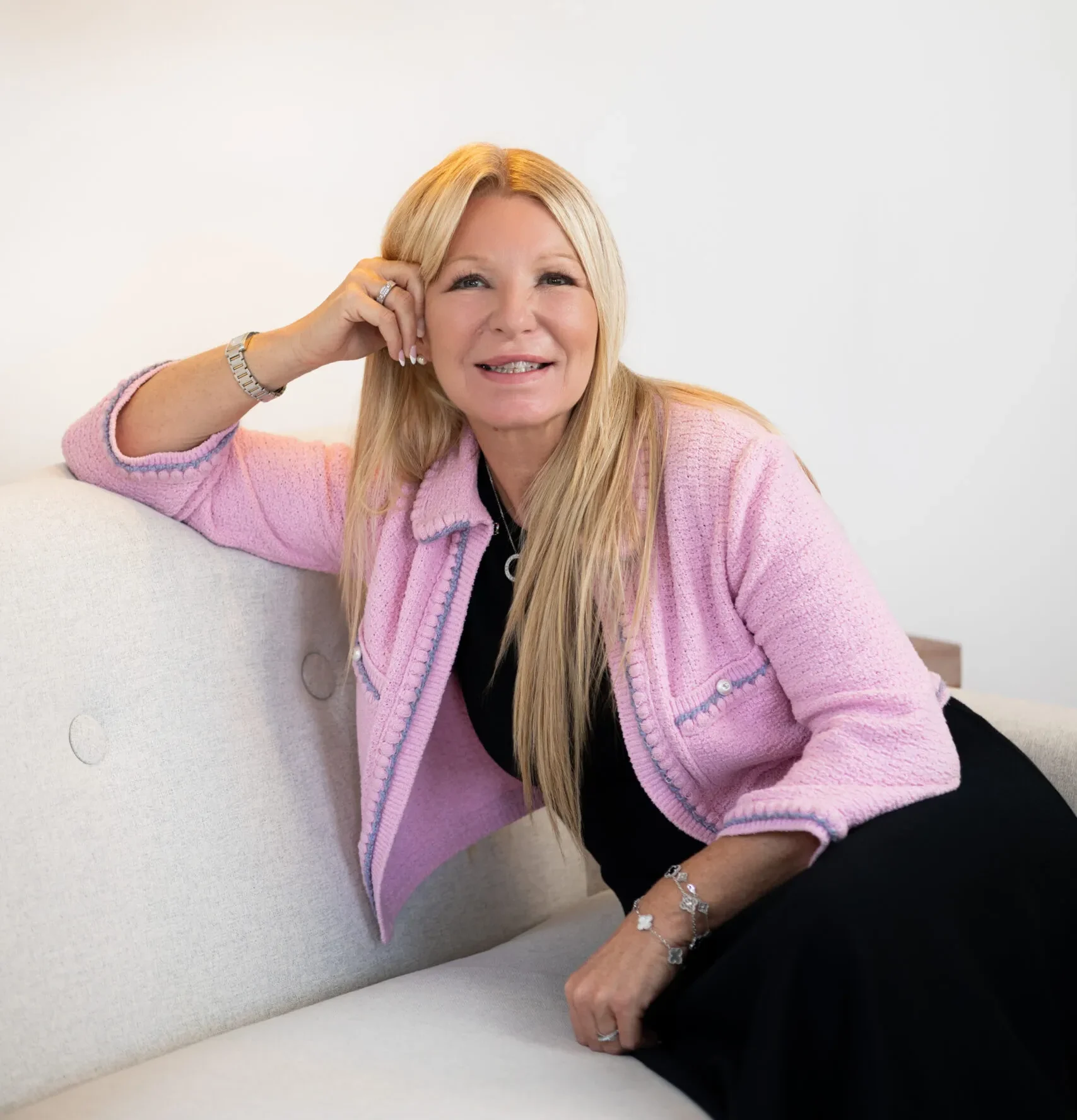
Fiona Yassin is the International Program Director at The Wave, holding multiple credentials including being a registered Psychotherapist and Accredited Clinical Supervisor in both the U.K. and UNCG (Registration number #361609 National and International Council of Psychotherapists). She is EMDR trained (EMDRIA) and practices as a Trauma therapist (Registration number #10000054651).
Fiona’s expertise includes being a member of the International Chapter of IAEDP, with training in CBTe (Oxford Group), FREED (King’s College, London), TF-CBT, RO-DBT, and GPM. Her specializations cover the treatment of Eating Disorders and Borderline Personality Disorder, as well as families in High Conflict Divorces and Psychiatry across the female lifespan.
Additionally, Fiona holds the distinction of being a Fellow of APPCH, a senior accredited Addiction Professional, and a member of The Association of Child Protection Professionals. She is also trained in MBT (Child and Family and Adult) and Reflective Parenting with The Anna Freud Centre for Children and Families, and is a Member of The Australia and New Zealand Eating Disorders Association.
Fiona holds an MSc in Neuroscience and Mental Health awarded by King’s College London, where she received The Dean’s Award. She is currently completing an MSc in Psychiatry at Cardiff University Medical School and is a PhD Candidate in Mental Health Research at Lancaster University. Outside of her professional pursuits, she enjoys spending time with her three cats, going for long walks on the beach, and appreciating the beautiful animals in her garden.
When we think about eating disorders, our attention naturally turns to food. We talk about nutrition, meal plans, fear foods and the emotions that can

As parents and caregivers, most of us will face moments when telling the whole truth feels incredibly difficult. Whether it’s explaining the death of a

Emotionally-based school refusal is often associated with anxiety. But there are many emotions and internal experiences that can lead to school refusal. These include separation anxiety, social anxiety, sadness and distress.

Emotional dysregulation develops when a young person’s emotional learning processes are disrupted. This might be because they lack stable environments and relationships that facilitate socio-emotional learning, or because their caregivers aren’t able to role model effective emotional regulation.

One common trait among ADHD young people is rejection sensitivity. Rejection sensitivity is a form of emotional dysregulation: difficulties in modulating and calming emotional reactions to internal or external events.

Emotional dysregulation is common among young people with ADHD. They may experience intense emotional reactions that are difficult to soothe, contributing to challenges in everyday

In times of conflict, looking out for one another is incredibly important. In the context of adolescent mental health, this means paying attention to young people’s feelings and behaviours, offering ongoing support and reaching out to professionals when it’s necessary.

Most young people play video games sometimes. But when gaming starts to dominate a young person’s life, it can be a sign of addiction. Gaming

Exam stress is common among young people around the world. Pressure from teachers, schools, family members and wider society can make young people feel like

Parental addiction affects young people in different ways. Parents are often unable to meet children’s physical and emotional needs when their lives are dominated by seeking a substance or engaging in a behaviour. In many cases, families experience role-reversal, when children or adolescents become responsible for meeting their parents’ and family’s needs, disrupting normal processes of child development.

It’s become increasingly common for young adults to move back into the family home. Whether prompted by rising living costs, housing affordability challenges, career changes,

Relationships are a cornerstone of young people’s well-being. Close and trusting friendships provide a sense of belonging and meaning, emotional support and a foundation of

Community is at the heart of The Wave’s philosophy. It’s central to our treatment approach and our understanding of mental health and well-being. It’s also


