Deceptive Sexual Behaviours and Family Trauma
Deceptive sexual behaviours can take different forms. They might involve infidelity and deception about sexual relationships with other people. They might consist of hiding addictions
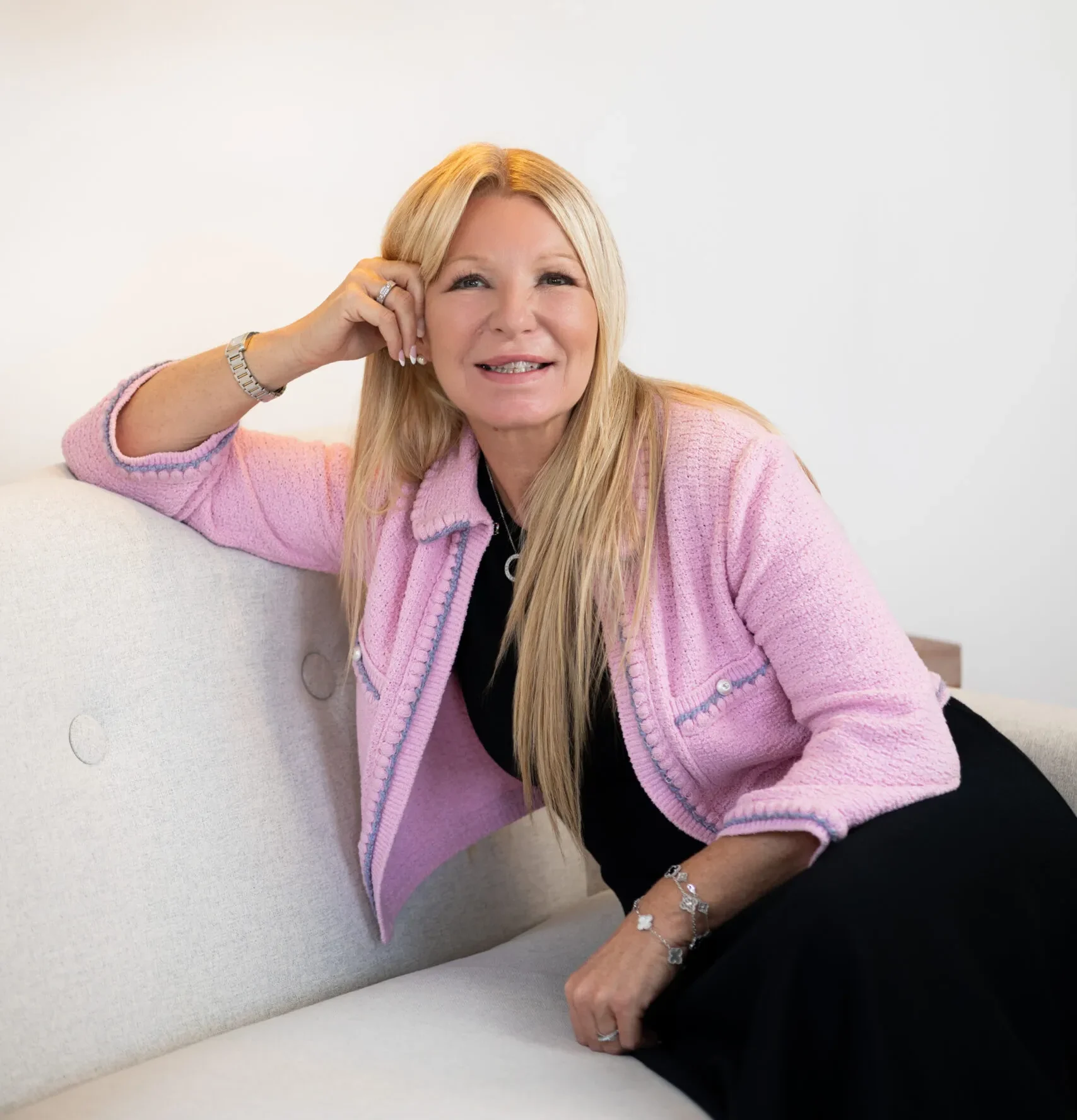
Fiona Yassin is the International Program Director at The Wave, holding multiple credentials including being a registered Psychotherapist and Accredited Clinical Supervisor in both the U.K. and UNCG (Registration number #361609 National and International Council of Psychotherapists). She is EMDR trained (EMDRIA) and practices as a Trauma therapist (Registration number #10000054651).
Fiona’s expertise includes being a member of the International Chapter of IAEDP, with training in CBTe (Oxford Group), FREED (King’s College, London), TF-CBT, RO-DBT, and GPM. Her specializations cover the treatment of Eating Disorders and Borderline Personality Disorder, as well as families in High Conflict Divorces and Psychiatry across the female lifespan.
Additionally, Fiona holds the distinction of being a Fellow of APPCH, a senior accredited Addiction Professional, and a member of The Association of Child Protection Professionals. She is also trained in MBT (Child and Family and Adult) and Reflective Parenting with The Anna Freud Centre for Children and Families, and is a Member of The Australia and New Zealand Eating Disorders Association.
Fiona holds an MSc in Neuroscience and Mental Health awarded by King’s College London, where she received The Dean’s Award. She is currently completing an MSc in Psychiatry at Cardiff University Medical School and is a PhD Candidate in Mental Health Research at Lancaster University. Outside of her professional pursuits, she enjoys spending time with her three cats, going for long walks on the beach, and appreciating the beautiful animals in her garden.

Deceptive sexual behaviours can take different forms. They might involve infidelity and deception about sexual relationships with other people. They might consist of hiding addictions

In this blog, we look at some of the ways climate change impacts young people’s mental health, drawing on the research that’s been published to date. We also touch on some of the protective factors that help young people remain resilient in the face of climate change.

The sooner a young person receives support for self-harm and the emotions that lie beneath, the better. Professional care can help children and adolescents find safe, healthy ways to cope with their feelings and stay safe in the long term.

This blog explores what it is for a young person to navigate Saudi Arabia’s rapidly changing society, and the experiences that shape their mental well-being. It offers insight into supporting young adults in this process, as parents and mental health professionals.

Setting goals at New Year’s doesn’t have to be a negative experience. By changing the way we set goals and the type of goals we set, New Year’s goal-setting can help us get to where we want to be in our relationships, social skills, and activities.

Young people with borderline personality disorder (BPD) often find Christmas celebrations difficult. BPD is characterised by intense and quickly changing moods, often in response to things that happen in relationships. When these relationships are emphasised and intensified, they may feel overwhelmed and unstable. Experiences that may feel warm and joyful to other people can be painful and lonely for someone with BPD.

Alexithymia is related to both emotional processing and language. People with alexithymia may not recognise emotional expressions on faces as well as other people. They may find it hard to talk about interpersonal relationships or other people’s feelings, and describe their own emotional experiences with simple language without vivid descriptions. They may be less sensitive to the emotional meaning of language and tend towards concretist thinking and avoidance of metaphors.

In this blog, we explain how lasting recovery requires addressing past traumas, interpersonal difficulties, and other underlying experiences that maintain eating disorder symptoms. We outline some of the effective treatment modalities available, and question why so many recovery programs still focus on weight and numbers.

Collaborative treatment helps young people feel heard, understood, and considered as a person, not a ‘patient’. It builds trust between teenagers, mental health professionals, and parents. It encourages young people to stay in treatment and receive treatment again if it’s necessary.

For therapists and psychiatrists, caring for and empathising with others is part of the profession. Therapeutic relationships require work and sensitivity, balancing emotional and social

We can think of families as systems, where the well-being and behaviours of each family member affect all the rest, and the family system as

Most young people play video games sometimes. But when gaming starts to dominate a young person’s life, it can be a sign of addiction. Gaming

Exam stress is common among young people around the world. Pressure from teachers, schools, family members and wider society can make young people feel like
Have any questions or want to get started with the admissions process? Fill in the form below and we’ll get back to you as soon as possible.