According to cognitive theory, negative or harmful beliefs about the self, other people and their worlds underpin the development and maintenance of mental health disorders. These sets of beliefs, also known as “schemas”, shape our trust in others, our self-esteem and our responses to the words and actions of others.
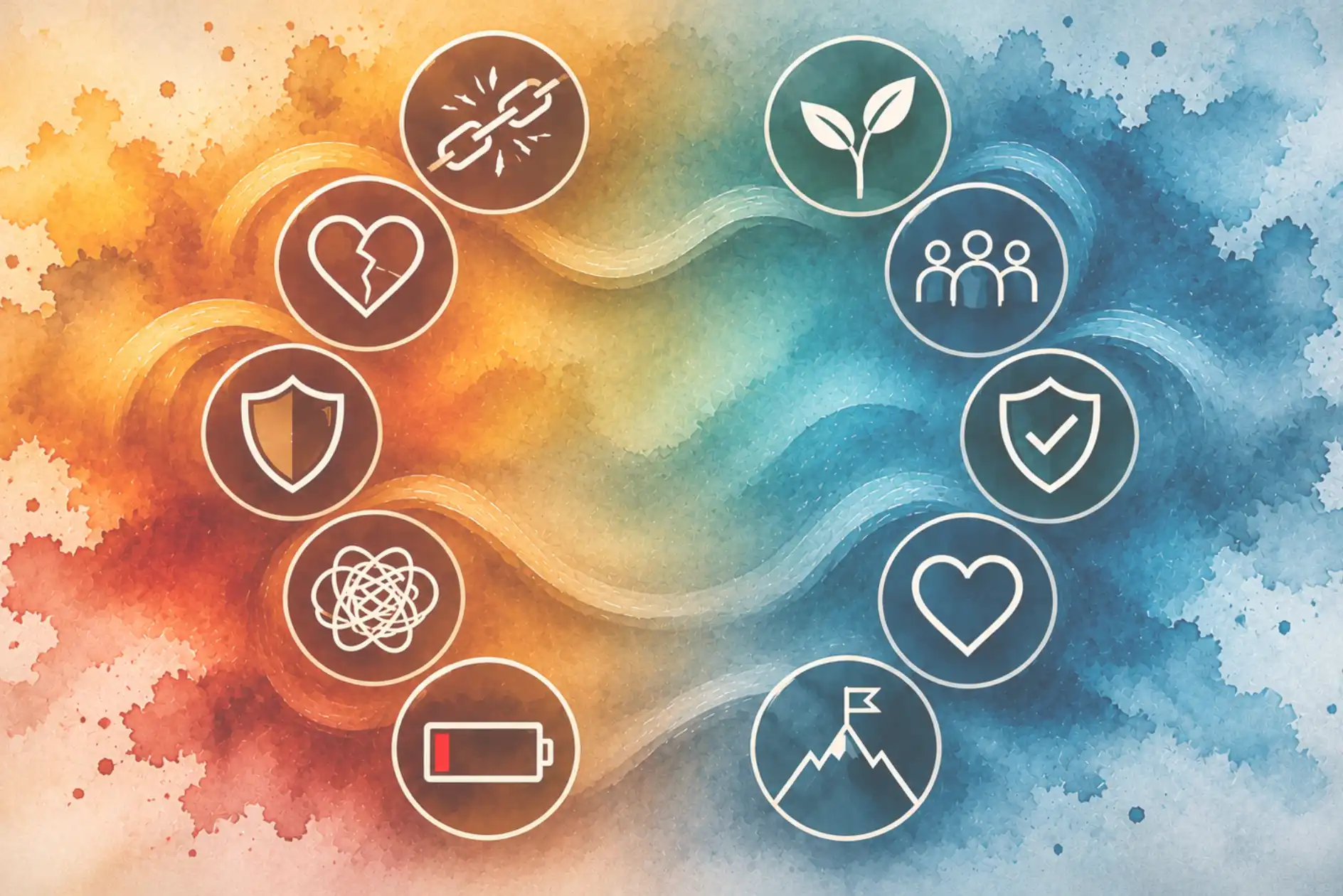
Positive schemas, such as self-compassion, self-belief and trust, can help us to manage everyday situations in ways that promote our well-being. They help us forgive ourselves, build stable relationships with others and pursue the things that matter to us.
On the other hand, negative schemas have the opposite effect, guiding us to act in ways that are at best unhelpful and often harmful for ourselves and others. These are called “early maladaptive schemas”.
We form schemas in early childhood, but elaborate and build on them throughout our lifetime. However, schemas can become deeply ingrained and hard to radically change, even when they are harmful to our well-being and functioning. In many cases, we may not even realise that a schema is dysfunctional.
Harmful schemas that are formed early in life continue to impact our mental health as adults, underpinning mental health disorders like anxiety, depression and eating disorders.
What Is Schema Therapy?
Schema therapy assumes that we all possess schemas: broad principles that govern how we make sense of our lives. They enable us to make a general judgement about a specific situation and respond accordingly, without having to process every single detail of each event.
Sometimes, this process helps us grasp circumstances quickly. But schemas can also lead us to distorted, inaccurate conclusions.
What Are Early Maladaptive Schemas?
Early maladaptive schemas are unhelpful or dysfunctional schemas that we form as a result of adverse childhood experiences, when our needs are not met to a significant and damaging extent. These schemas tend to originate in a child’s nuclear family, particularly their relationship with their caregivers.
As a child becomes older, and other figures such as teachers, friends and neighbours become increasingly important, maladaptive schemas can develop from these interactions too. But they tend to be less powerful than their schemas from very early life.
Some adverse childhood experiences that may lead to adverse schemas include:
- Frustration that results from unmet needs
- Trauma caused by threats to a child’s safety
- Overprotection, overinvolvement, or excessive freedom that transgresses a child’s need for either autonomy or realistic limits
- Selectively internalising the dysfunctional attitudes or behaviours of parents or other family members
When we experience an event that reminds us of one of these early life experiences, it can trigger a maladaptive schema. We then try to use this schema to navigate the event, but because it is dysfunctional, it often ends up harming us or others.
What Are the Different Kinds of Maladaptive Schemas?
Schema therapy often categorises maladaptive schemas according to different themes that dominate our emotional and social lives. These include:
- Disconnection and rejection
- Autonomy and competence
- Lack of boundaries (impaired limits)
- Excessive responsibility and standards
Each category contains various maladaptive schemas, which may have developed as a result of different adverse childhood experiences.
Disconnection and Rejection
The separation and rejection category contains five early maladaptive schemas:
- Mistrust – Young people with a mistrust schema assume that others will exploit, harm, or manipulate them. They are often guarded and suspicious, and may avoid sharing things about themselves or avoid intimate relationships in general.
- Emotional deprivation – Individuals with an emotional deprivation schema believe that others will be unable to provide the emotional understanding, support and care that they need. They may feel like people don’t care about them, that their emotional needs aren’t that important or that they’re never fully understood.
- Defectiveness – Young people with a defectiveness schema believe that they are fundamentally flawed, inadequate and inferior to others. This often brings pervasive and overpowering feelings of shame and unworthiness.
- Social isolation – Adolescents and young adults with a social isolation schema believe that they are different from other people, don’t fit in or don’t belong. Some also feel anxious in social situations. They may feel withdrawn, isolated or lonely.
- Abandonment – Individuals with an abandonment schema worry that other people will leave them or be unavailable when they’re needed. This can cause anxious attachment, preoccupation, anger or preemptive withdrawal.
These schemas tend to develop when a child’s needs for stability, safety, acceptance and emotional expression are unmet. They’re closely related to insecure attachment relationships in early life.
Autonomy and Competence
Schemas in this category are about functioning independently and competently and expressing yourself freely. They also include anxieties about being abandoned by others and not being able to navigate everyday life.
- Dependence – Young people with a dependence schema feel deeply incompetent and unable to navigate their own lives. They often become heavily dependent on others to make decisions and take actions for them.
- Vulnerability to harm – People with a vulnerability to harm schema expect to get injured or become ill. They deeply believe that a catastrophe could happen at any moment.
- Enmeshment – Teenagers and young adults with enmeshment schemas are overly involved another person’s life, at the expense of their own sense of individuality and identity. They may struggle to place boundaries or distinguish their own needs and goals from the other person’s.
- Failure – The failure schema relates to achievement-focused aspects of life, such as careers or education. Young people with this schema feel unable to succeed in these domains and believe they will inevitably fail.
Autonomy and competence schemas develop when young children don’t have opportunities to practice autonomy. This can happen when parents do everything for them, but also when they don’t have appropriate role models to learn from or opportunities to explore and play. It may also develop when hostility or criticism undermines a child’s self-belief.
Excessive Responsibility and Standards
Excessive responsibility and standards schemas are linked to excessive self-control and strict rules and expectations about their own or other people’s lives. This can impact a person’s ability to enjoy life and form meaningful connections with others.
- Punitive – Young people with a punitive schema hold themselves of others to harsh standards or offer harsh critiques. They may find it hard to forgive themselves, other people or both.
- Self-sacrifice – Teenagers and young adults with a self-sacrifice schema put others’ needs before their own. They may feel uncomfortable doing things for themselves, but over time this can lead to resentment and exhaustion from doing too much for others.
- Unrelenting standards – Individuals with an unrelenting standards schema place very high expectations on themselves or others. This can lead to chronic anxiety, low self-esteem and feelings of failure. They may also be sensitive to others’ judgement and criticism.
Excessive responsibility schemas can develop when children take on adult roles or roles that are beyond their developmental age. Or they might develop when a child receives conditional approval, acceptance or praise that depends upon acting a certain way. When parents are emotionally unavailable, children may learn that their own needs are unimportant and shouldn’t be expressed.
Impaired Limits
Impaired limits schemas are linked to engaging in impulsive behaviours, violating other people’s boundaries or finding it hard to stick to long-term goals. They may be associated with impulsive or risky behaviours, entitlement or grandiosity.
- Approval seeking – Young people with an approval-seeking schema are overly preoccupied with seeking approval and admiration from others, at the cost of their own goals and desires. They may be willing to change their identity so other people like them more and be very sensitive to criticism.
- Entitlement – Individuals with an entitlement schema think that they are better than or superior to other people. They may believe that they deserve special treatment or should get their own way. They might feel jealous easily and get angry when their opinion is challenged.
- Insufficient self-control – People with an insufficient self-control schema find it hard to regulate their emotions and behaviours. They may engage in impulsive behaviours or actions that harm themselves or others. They may also struggle to take part in aspects of everyday life that they find boring or uninteresting.
Impaired limits schemas can develop when young children lack boundaries, structure, or limits. They may also develop when parents are overprotective or fail to model positive behaviours, including emotional regulation, respect for others and boundary setting.
What Role Do Early Maladaptive Schemas Play in Adolescence?
Adolescence is a time of change and identity formation. As young people transition from childhood to adulthood, they develop their own goals, values and beliefs, grow in emotional independence and engage in increasingly complex social and moral decision-making. This makes it a critical time for the development and elaboration of schemas.
During adolescence, young people move from concrete to more abstract thinking, as they engage in more complex cognitive tasks. But this shift in thinking style also makes it more likely that they will use simplified, generalised thought patterns to reach conclusions, increasing their reliance on schemas. As these schemas become more entrenched, they shape how teenagers manage their emotions and relationships, and the coping mechanisms they use.
At the same time, teenagers’ cognitive processes and behavioural patterns are also more malleable than adults’. This means their maladaptive schemas are easier to change, and new, positive schemas are easier to construct and develop. Schema therapy in adolescence can help transform young people’s schemas before they become more entrenched, and prevent future harm.
Schema Therapy for Adolescents
Schema therapy has been specifically adapted for adolescents, using therapeutic techniques suitable for their developmental age. Adolescent schema therapy also involves the active participation of a young person’s family in the treatment process, recognising the role of family members and family dynamics in establishing both negative and positive schemas.
Schema therapy focuses on both deconstructing maladaptive schemas and creating positive ones.
Some of the techniques that schema therapists use include:
- Role-play
- Cognitive-behavioural strategies
- Positive imagery
- Psychoeducation (developing an awareness of different schemas)
- Mindfulness
- Experiential therapy
Research suggests that schema therapy is a promising treatment among adolescents with emotional disorders, personality disorder symptoms, behavioural problems, trauma, and eating disorders.
How Effective is Schema Therapy Among Adolescents?
Various studies have linked early maladaptive schemas to mental health disorders among adolescents. Likewise, schema therapy has been shown to significantly improve a range of mental health symptoms.
Adolescent Emotional Disorders
A study among university students found that the presence of early maladaptive schemas was a vulnerability factor for both depression and anxiety symptoms. Other research has shown that schema therapy among adolescents can lead to significant improvements in anxiety, emotional regulation and self-esteem.
Personality Disorder Symptoms
One small-scale study among adolescent girls with borderline personality disorder found that schema therapy improved both emotional regulation and interpersonal functioning. Schema therapy can address maladaptive schemas such as a fear of abandonment and mistrust of others, two core traits of borderline personality disorder.
Another study explored the effect of schema therapy among adolescents with social anxiety and avoidant personality disorder. Schema therapy sessions led to improvements in social confidence and reduced avoidance tendencies, allowing young people to engage more actively in social and educational contexts.
Adolescent Eating Disorders
Various maladaptive schemas are associated with eating disorders, including emotional deprivation, unrelenting standards and social isolation. Schema therapy can influence thinking patterns, improving disordered eating attitudes, emotional regulation and body image. A study among adolescents with anorexia nervosa found that schema therapy reduced eating disorder beliefs and experiences of shame.
Schema Therapy: Challenges and Limitations
Despite promising evidence for schema therapy among adolescents, relevant research remains relatively limited. The available studies vary in methodology, making it difficult to draw generalised conclusions or compare schema therapy with other treatment methods.
Clinicians can also face challenges offering schema therapy to young people living in high-conflict home environments, where families may have high levels of expressed emotion. This can make involving the family in therapy more difficult – although not impossible – and requires additional care.
The Wave: Transformative Mental Health Support for Young People
The Wave offers specialist mental health treatment for young people living with eating disorders, borderline personality disorder, complex trauma and other mental health challenges. We provide a trauma-focused, family-centred approach to mental health support, emphasising the role of past experiences and interpersonal relationships in shaping how young people think, feel and act today.
Our programs combine a diverse selection of evidence-based modalities, delivered by experts in child and adolescent psychiatry from around the world.
If you’re interested in finding out more about our programs, get in touch today. We’re here to help.
Fiona Yassin is the founder and clinical director at The Wave Clinic. She is a U.K. and internationally registered Psychotherapist and Accredited Clinical Supervisor (U.K. and UNCG). Fiona is EMDR trained (EMDRIA) and a practising trauma therapist.