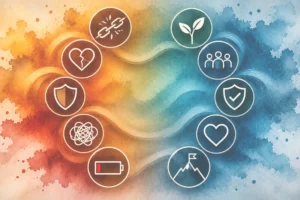
It’s not unusual for children and adolescents to experience scary and overwhelming events. But while sometimes young people can rebound and recover from these experiences, in other cases they are left with long-term physical and psychological symptoms, such as withdrawal, anxiety, mistrust and flashbacks.
The choice between these two pathways is largely dictated by what happens during and after the potentially traumatic event. Different kinds of care and environmental factors are associated with the prevention of post-traumatic stress symptoms, including social support and secure attachments to others.
In this blog, we will focus on one aspect of post-trauma care: supporting a child or adolescent in the direct aftermath of a traumatic event. Using techniques based on the principles of somatic experiencing therapy, we will outline simple steps parents and other adults can take to help a child calm down and prevent fear from getting trapped in the body.
What Is Somatic Experiencing?
Somatic experiencing is a type of therapy used in both the prevention and healing of trauma. It focuses on our bodies’ physical reactions to scary and overwhelming events that may alter the functions of our nervous systems, leading to long-term trauma symptoms.
In somatic experiencing sessions, practitioners ask individuals to focus on bodily sensations where anxious, survival energy from a traumatic event may be “trapped”, and use various techniques to gently release it.
Somatic Experiencing Theory and Childhood Trauma
Somatic experiencing therapy is based on the assumption that potentially traumatic experiences are not unusual events. Children and adolescents are often exposed to scary or overwhelming situations, such as witnessing a violent event, losing a relative or experiencing parental separation.
These experiences can cause children to withdraw, develop phobias or lose confidence in themselves. But it’s also possible to minimise the impact of these events – to help their nervous systems return to a balanced state – and prevent potentially traumatic events from becoming traumatic experiences.
Trauma interventions, especially those delivered in the first month after a potentially traumatic event, are able to prevent, or at least mitigate, the damaging impact of overwhelming experiences. But rather than treating trauma as a purely psychological phenomenon, trauma therapy has to address the way trauma is stored in the body and how it alters a young person’s capacities to self-soothe.
How Does Survival Energy Become PTSD?
When a young person experiences a potentially traumatic event, their body moves into an acute stress response state. This might involve an urge to run away, freeze, fight back, or placate and comply.
Under normal conditions, acute stress responses are, as their name suggests, acute (intense but short-term), and our nervous systems slowly return to normal once the threat has passed. However, traumatic events can overwhelm the body’s stress response system, causing a young person to get ‘stuck’ in a high alert state.
When this happens, a child or adolescent can become hypervigilant, anxious and mistrusting of the world around them. At the same time, reminders of the traumatic event can cause them to relive the traumatic memory, visually, psychologically and/or somatically. When these effects last for longer than six weeks, they may be diagnosed with PTSD.
Building Resilience After a Traumatic Event
However, not every potentially traumatic event follows this path. In other situations, acute stress responses don’t become permanent, and the nervous system can gradually return to normal.
A child or adolescent’s ability to be resilient after a traumatic event depends on how circumstances unfold during and after the experience. Resilience builds when a young person is supported to unwind after a stressful experience and rebound from fear, shutdown, or shock. It’s also important for a young person to develop a coherent story of what has happened and integrate it into their personal narrative.
How Can Parents Support a Child After a Potentially Traumatic Event?
Peter Levine, one of the architects of somatic experiencing therapy, suggests eight steps that can help a child or adolescent calm down after a potentially traumatic event and prevent or mitigate the development of post-traumatic stress symptoms. Based on the principles of somatic experiencing treatment, the eight steps focus on regulating a young person’s somatic response to the event by observing and influencing their bodily sensations.
1. Check Your Own Body’s Responses
Before supporting a young person, it’s important to establish a sense of calm in yourself. By making sure you feel settled and grounded, you’re better able to attend to a child or adolescent’s needs and less likely to frighten or confuse them further.
2. Check the Situation
If a child or adolescent is in shock, it’s important to stay with them to help them calm down. Signs of shock may include:
- Pale skin
- Glazed eyes
- Disorientation
- Appearing overly emotional or overly calm
If a young person is showing signs of shock, calmly explain to them that they are safe now, but you need to stay together for a while
3. Noticing Bodily Sensations
Next, you can help guide a young person’s attention to their bodily sensations. Gently ask them how they feel in different parts of their body, such as their head, tummy, arms and legs. Encourage them to stay in the present moment and explain how they are feeling ‘now’.
4. Slow Down and Follow a Young Person’s Pace
Ask your child how they feel from one moment to the next, but leave gaps of a minute or two between questions. This slow pace can help a young person release anxious energy and self-soothe.
Look out for signs that their shock might be subsiding, such as deep breaths, yawning or stretching.
5. Validate Their Feelings, Movements and Sensations
Don’t try to tell a young person to stop trembling, crying or expressing their feelings. Reassure them that they experienced something very scary, but it’s over now, and they are safe.
6. Trust A Young Person’s Inner Processes
Try not to disrupt a young person’s processes by distracting them, asking them to move or holding them too tightly. Instead, try to create a safe environment for them to move through their emotions and sensations.
7. Help Them to Rest
A lot of anxious, survival energy can be released through rest and sleep. Encourage a young person to relax and sleep as much as they need.
8. Emotional Support and Narrative Creation
It’s normal for young people to move through a range of intense emotions in the aftermath of a potentially traumatic event. You can help by validating their feelings and supporting them as they try to understand them.
Once a young person has moved out of shock and is well-rested, you can encourage them to share what happened. Talking through events can help them form a coherent narrative that integrates the trauma into their wider understanding of themselves and the world.
Somatic Experiencing at The Wave
At The Wave, we offer somatic experiencing alongside other types of trauma therapy, in diverse and individualised treatment programs that suit each young person’s needs. We combine somatic experiencing with other somatic approaches, such as trauma-informed yoga, as well as talking therapies (including cognitive-processing therapy) and creative modalities.
Trauma is often at the root of other mental health disorders, including depression, BPD, anxiety and eating disorders. At The Wave, our programs address experiences of trauma from the start of any treatment program, integrating trauma treatment amongst treatment modalities. This means that somatic experiencing is often a core and valuable part of our treatment programs for a range of affective, anxiety, eating and personality disorders.
The Wave: Specialist Recovery Programs for Young People
The Wave offers specialist recovery programs for children, adolescents, young adults and families. Our programs combine a diverse selection of evidence-based modalities, delivered by experts in child and adolescent psychiatry from around the world.
Our approach offers a whole-person approach to mental health care, supporting young people to grow in self-confidence and explore new life paths through personal learning programs, vocational education, enriching experiences and social projects.
Throughout our programs, we emphasise the role of family, social relationships and past traumas in shaping how young people think, feel and act today.
If you’re interested in finding out more about our programs, get in touch today. We’re here to make a difference.
Fiona Yassin is the founder and clinical director at The Wave Clinic. She is a U.K. and internationally registered psychotherapist and accredited clinical supervisor (U.K. and UNCG). Fiona is EMDR trained (EMDRIA) and a practising trauma therapist.