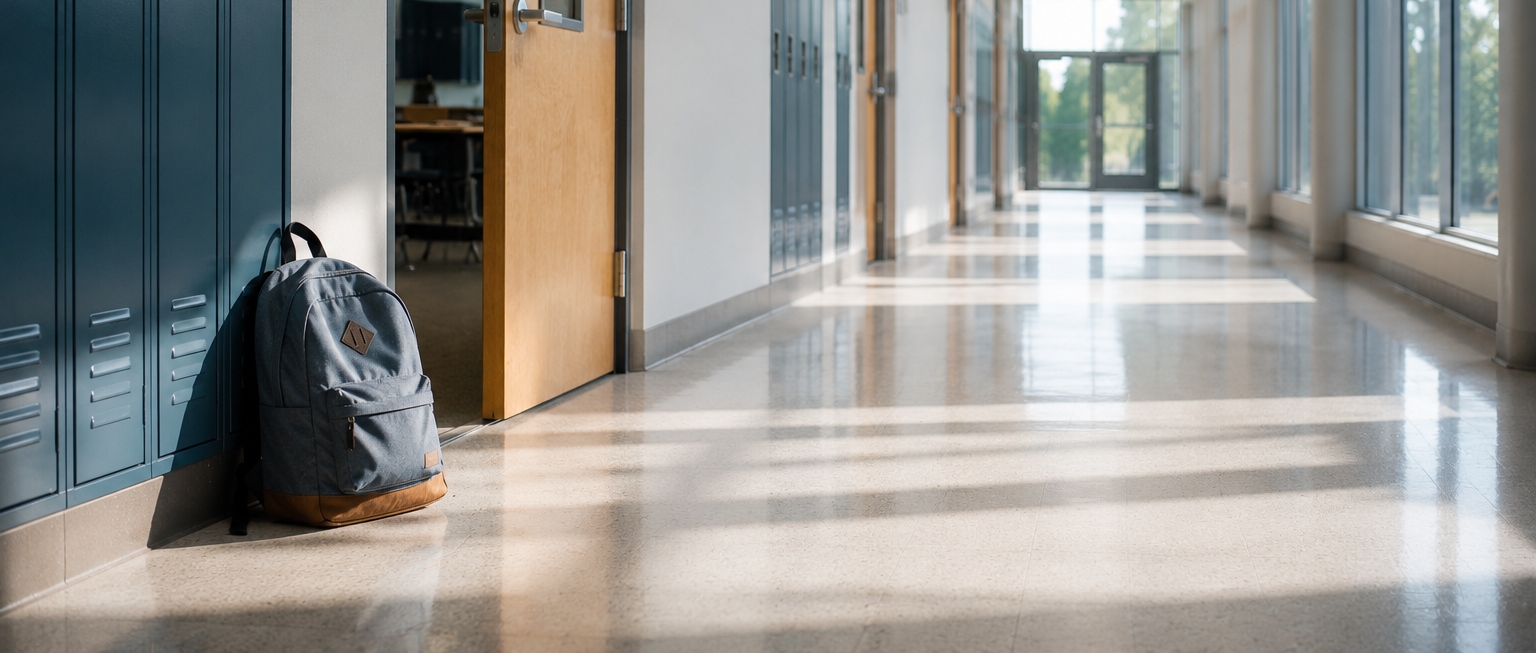
It’s normal for young people to feel anxious about school from time to time. They might be worried about exams, a conflict in their friendship group or making friends in a new class group.
However, sometimes anxiety or other emotional distress can become so intense that young people feel unable to go to school. This is known as emotionally-based school avoidance or school refusal.
Emotionally-based school refusal is often associated with anxiety. But there are many emotions and internal experiences that can lead to school refusal. These include separation anxiety, social anxiety, sadness and distress.
Emotional dysregulation and other traits such as impulsivity have also been linked to school refusal.
Below, we explore the causes of emotionally-based school refusal and its links to emotional dysregulation and mental health disorders. It also outlines how parents can support children who experience school refusal to attend school, where they can socialise, learn and develop.
Understanding Emotionally-Based School Refusal
Attending school is fundamental for young people’s development. Aside from academic and vocational learning, it’s a place to develop social and emotional skills, form friendships and explore their identities. It helps young people find their place in their communities and in the wider world.
However, for some young people, aspects of the school environment and/or personality traits and experiences make attending school feel very difficult or even impossible. Sometimes, school refusal is mostly rooted in a hostile school environment, such as when a young person is being bullied or when a school doesn’t accommodate neurodiversity. In other cases, school avoidance is more about a young person’s mental health or personal experiences. But in most instances, both school-related and individual characteristics play some role.
Some experts speak about four functions that can cause and maintain school refusal. These are:
- to avoid interactions or aspects of the school environment that cause difficult and distressing emotions, such as sadness, anxiety, stress or feeling overwhelmed.
- to avoid specific social or classroom situations that are distressing. This might include experiences of bullying or academic challenges in a certain subject. It might involve difficulties concentrating or completing tasks.
- to communicate the psychological distress they are feeling to others, such as parents or teachers
- to engage in self-care or other coping mechanisms outside of school, such as sleeping or spending time with friends
Why Do Young People feel Upset or Anxious About Attending School?
There are lots of reasons that children and adolescents experience difficult emotions about school. These include:
- Friendship difficulties
- Bullying
- Falling behind on schoolwork
- Insecurities about their body that can make certain activities difficult, such as physical education
- Food and eating problems that may cause anxiety at break times and lunchtimes
- Conflicts with teachers
- Things happening at home, including caregiver responsibilities, divorce, separation or parental mental health difficulties
- Moving to a new school or changing class
- Personal challenges that aren’t related to school, such as mental health symptoms, physical illness or identity exploration
- Separation anxiety about being away from parents
How Common is School Refusal Among Children and Adolescents?
Different sets of data and working definitions estimate the prevalence of school refusal to be around 5% to 28%. School refusal is usually most common between the ages of ten and thirteen, as young people transition from primary to secondary school.
Emotional Dysregulation and School Refusal
Emotionally-based school refusal happens when a young person’s emotions about school are distressing enough that they feel unable to attend. For many young people, this is also connected to their ability to manage and regulate their emotions. If a child or adolescent experiences very intense emotions that they struggle to modulate or soothe, they may be more likely to feel that going to school is impossible.
Emotional regulation describes the process through which we influence our emotions, their intensity and duration. It involves both inhibiting emotional reactions and self-soothing or calming back down, and relies upon other skills, such as identifying and understanding our emotions. Emotional dysregulation happens when a person finds it difficult to use these skills and processes.
Research suggests that emotional dysregulation plays an important role in school refusal behaviours. Studies have found that perceived stress and cognitive emotion regulation strategies are significantly associated with school refusal. They have also found that children with school refusal showed more:
- Challenges regulating their emotions
- Anxiety symptoms
- Behavioural difficulties
- Impulsive behaviours
School Avoidance and Mental Health Disorders
Although school refusal is not a stand-alone mental health disorder, young people with school refusal are often diagnosed with or live with a mental health condition, especially generalised anxiety disorder, social anxiety, separation anxiety or a specific phobia. Many also show symptoms of or live with depression.
Research shows that among those receiving mental health treatment, around half of young people with school refusal have some form of anxiety disorder. Equally, around three-quarters of children with separation anxiety have at least one episode of school refusal.
Likewise, in non-clinical, community studies, around half of children with serious school refusal met the criteria for a general psychiatric disorder. Other research has found strong associations between depression and low school attendance, absenteeism, unexcused absences, and school refusal.
How Can Parents Support a Young Person Experiencing School Refusal?
When a young person experiences school refusal, it’s important to consider two things: what might be going on in school, and what might be going on with them, emotionally and psychologically. It’s often best to hold open and non-judgemental conversations with a child or adolescent to get a better picture of what’s going on.
When a child is facing specific difficulties at school, you may be able to improve the situation in dialogue with teachers and staff members. This might mean alerting them to instances of bullying, which every school has a responsibility to address and resolve. It might involve requesting certain changes or extra support to make a school environment less stressful for a young person. For neurodiverse young children, you might want to remind a school of its obligations to be inclusive and outline the needs of your child that are not currently being met.
It’s also important to speak with a young person about their general well-being and psychological challenges they might face. Young people with emotionally-based school refusal are more likely than others to have mental health disorders, like anxiety, depression or eating disorders. In these cases, reaching out for professional support is fundamental.
Young people may also require extra support with specific mental health challenges, such as social anxiety or emotional dysregulation. Therapies such as cognitive-behavioural therapy, mindfulness therapy and dialectical-behavioural therapy can support young people to manage distressing emotions and anxiety so that attending school feels easier.
Parenting Tips for Supporting a Young Person with Emotionally-Based School Avoidance
Parents themselves can also play an invaluable role in supporting a young person through school refusal. We’ve outlined some basic guidance below.
- Stay curious about their experience and their feelings, and validate their emotions. Empathise with their experience. Recognise that their anxiety and distress are real to them.
- Maintain a good relationship with the school and hold more difficult conversations away from a young person. Make sure you continue to emphasise the importance and necessity of attending school.
- Maintain consistent daily routines and structure at home. Prepare for the school day in advance as much as possible, to make it easier in the morning.
- Hold open conversations about anxiety and mental health and encourage a young person to learn about coping strategies. Role model effective emotional regulation processes and techniques yourself.
- Don’t enable a young person’s anxiety by avoiding all possible triggers. Instead, see how you can support them in facing their fears, while still acknowledging that the anxiety they experience is real.
The Wave: Making a Difference in the Lives of Young People and Families
The Wave offers specialist recovery programs for young people and families. We combine exceptional clinical care with enriching experiences, education and community projects, supporting young people to grow in self-confidence and flourish as their true selves.
We emphasise fairness and inclusivity, understanding the needs of neurodiverse young people and celebrating diverse identities.
If you’re interested in our programmes, contact us today.