Bipolar Disorder in Young Children
Like adolescents and adults with the disorder, young children also experience extreme mood swings with high and low episodes. However, these episodes can manifest in slightly different ways.
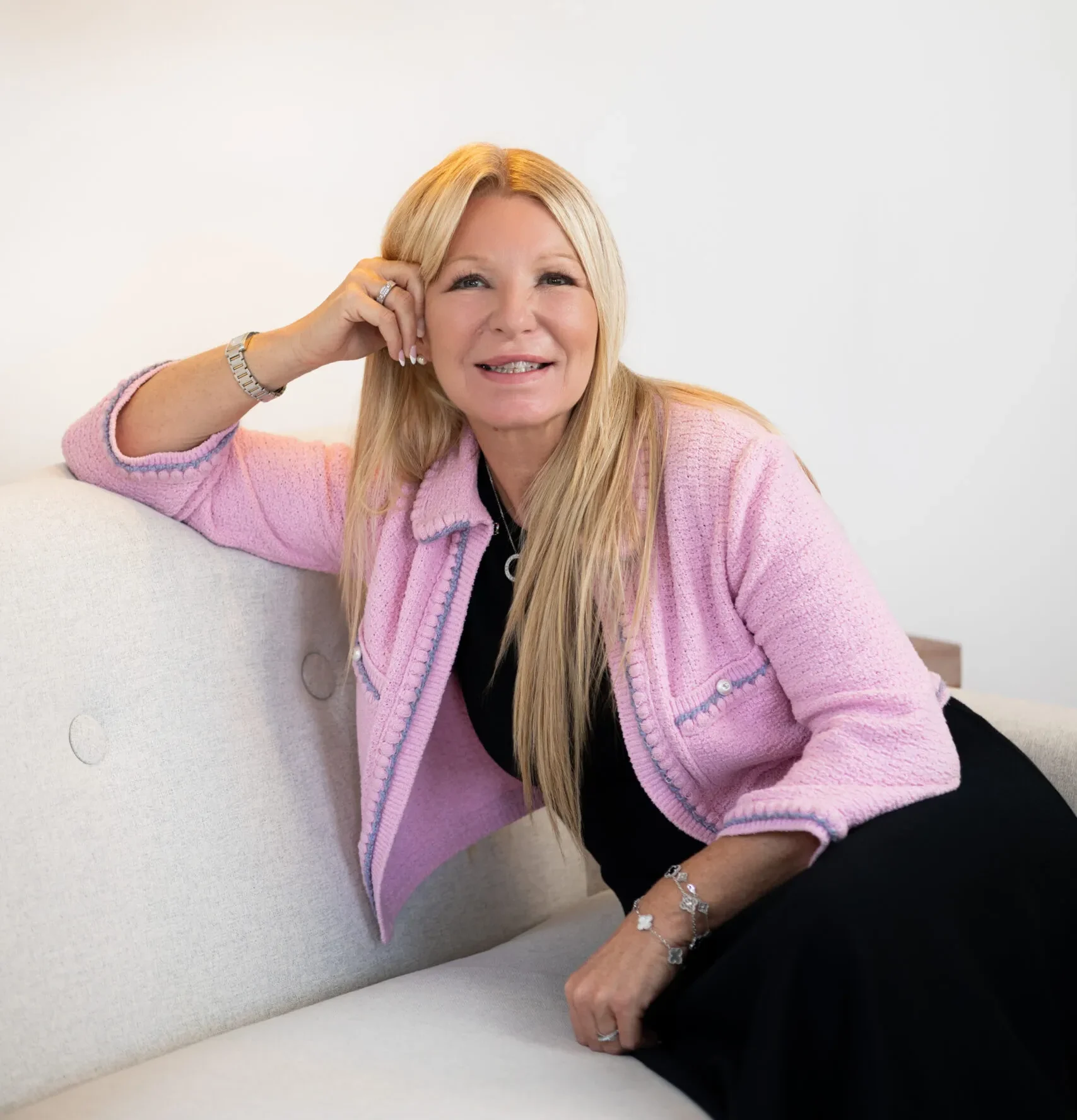
Fiona Yassin is the International Program Director at The Wave, holding multiple credentials including being a registered Psychotherapist and Accredited Clinical Supervisor in both the U.K. and UNCG (Registration number #361609 National and International Council of Psychotherapists). She is EMDR trained (EMDRIA) and practices as a Trauma therapist (Registration number #10000054651).
Fiona’s expertise includes being a member of the International Chapter of IAEDP, with training in CBTe (Oxford Group), FREED (King’s College, London), TF-CBT, RO-DBT, and GPM. Her specializations cover the treatment of Eating Disorders and Borderline Personality Disorder, as well as families in High Conflict Divorces and Psychiatry across the female lifespan.
Additionally, Fiona holds the distinction of being a Fellow of APPCH, a senior accredited Addiction Professional, and a member of The Association of Child Protection Professionals. She is also trained in MBT (Child and Family and Adult) and Reflective Parenting with The Anna Freud Centre for Children and Families, and is a Member of The Australia and New Zealand Eating Disorders Association.
Fiona holds an MSc in Neuroscience and Mental Health awarded by King’s College London, where she received The Dean’s Award. She is currently completing an MSc in Psychiatry at Cardiff University Medical School and is a PhD Candidate in Mental Health Research at Lancaster University. Outside of her professional pursuits, she enjoys spending time with her three cats, going for long walks on the beach, and appreciating the beautiful animals in her garden.

Like adolescents and adults with the disorder, young children also experience extreme mood swings with high and low episodes. However, these episodes can manifest in slightly different ways.

Like any person with an eating problem, children under 12 with early-onset eating disorders should receive professional support as soon as possible. Early interventions are associated with better outcomes, and treatment approaches have been adapted by researchers and professionals to effectively support young children.

Eating disorders usually develop during adolescence. But they are also common among young adults and adults, including among mothers. Food and body concerns that may not meet the diagnostic criteria for an eating disorder – but are still harmful and distressing – are even more common.

Some types of picky eating can harm a young person’s development. Picky eating may also be a symptom of underlying mental health concerns that require attention and support.

Dissociative identity disorder is a type of dissociative disorder. Teenagers may be diagnosed with dissociative disorders if they have regular experiences of dissociation that are distressing and affect their daily life. Sometimes teenagers may have dissociative experiences that are symptoms of a different mental health disorder. In this case, they may not receive a dissociative disorder diagnosis.

Traditional care for anorexia nervosa focuses on weight restoration as the core aim of treatment and measure of recovery. It reduces recovery to numbers: when

For a long time, eating disorders were thought to mainly affect women. Even in scientific research, fewer than 1% of published papers that relate to

Repeated nighttime binge eating – or eating a lot of food at night – is a type of disordered eating behaviour that can harm a young person’s physical and mental health. It’s also a symptom of different eating disorders, including binge-eating disorder and night eating syndrome.

Finding the right family therapist is essential. There isn’t a single type of family therapy that’s right for every family, and the personality and experiences of a therapist are also important. But finding the right family therapy and therapist can help families restructure and heal, creating resilient family systems that benefit every member.

Borderline personality disorder and bipolar disorder are often confused – even by clinicians. However, although some of their symptoms are similar, the two disorders are very different. They have different symptoms, causes, and courses of illness – and require different treatments.

In this blog, we offer some basic information about schizophrenia, treatment and recovery. We touch on the impact of schizophrenia on the family, trauma therapy within schizophrenia treatment and the prevalence of the disorder in different places around the world.

While the impact of mental health disorders like anxiety and depression among parents has been well-researched, parental OCD has received little attention – even though it’s a common and serious mental health condition. In this blog, we look at the experiences of children of parents with OCD and the kind of support available for parents living with the disorder.

OCD and eating disorders are mental health disorders that usually develop during adolescence or young adulthood. While they are distinct conditions with different pathologies, they share many characteristics. Co-occurring OCD and eating disorders are also common: many young people with eating disorders also live with OCD, and vice versa.
Have any questions or want to get started with the admissions process? Fill in the form below and we’ll get back to you as soon as possible.