

Academic Perfectionism and Teen Eating Disorders
Mable* is 17. She explains to me how she measures herself by numbers. Her favourite numbers are 10 and 100. Ten represents the 10 out
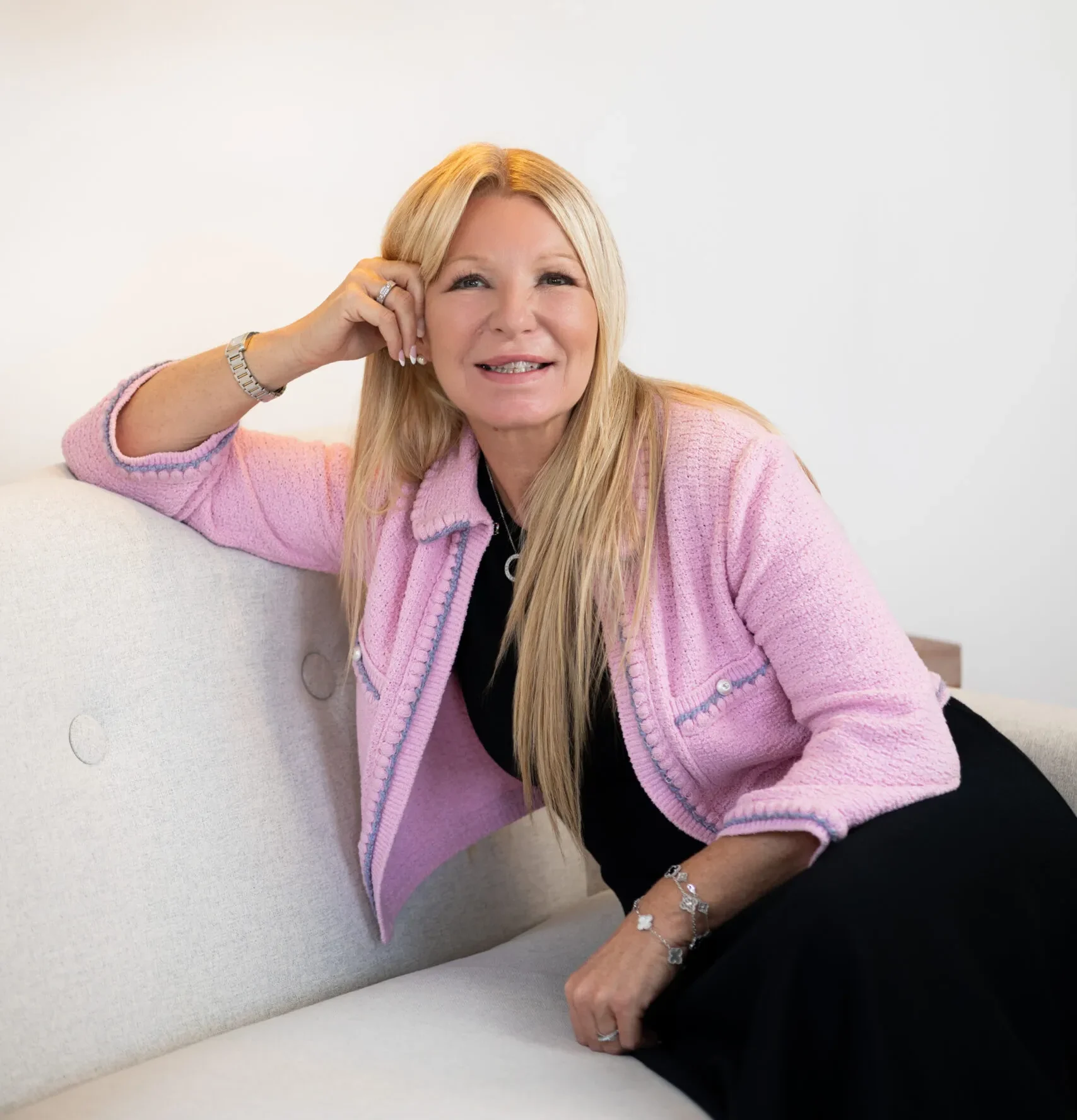
Fiona Yassin is the International Program Director at The Wave, holding multiple credentials including being a registered Psychotherapist and Accredited Clinical Supervisor in both the U.K. and UNCG (Registration number #361609 National and International Council of Psychotherapists). She is EMDR trained (EMDRIA) and practices as a Trauma therapist (Registration number #10000054651).
Fiona’s expertise includes being a member of the International Chapter of IAEDP, with training in CBTe (Oxford Group), FREED (King’s College, London), TF-CBT, RO-DBT, and GPM. Her specializations cover the treatment of Eating Disorders and Borderline Personality Disorder, as well as families in High Conflict Divorces and Psychiatry across the female lifespan.
Additionally, Fiona holds the distinction of being a Fellow of APPCH, a senior accredited Addiction Professional, and a member of The Association of Child Protection Professionals. She is also trained in MBT (Child and Family and Adult) and Reflective Parenting with The Anna Freud Centre for Children and Families, and is a Member of The Australia and New Zealand Eating Disorders Association.
Fiona holds an MSc in Neuroscience and Mental Health awarded by King’s College London, where she received The Dean’s Award. She is currently completing an MSc in Psychiatry at Cardiff University Medical School and is a PhD Candidate in Mental Health Research at Lancaster University. Outside of her professional pursuits, she enjoys spending time with her three cats, going for long walks on the beach, and appreciating the beautiful animals in her garden.
Mable* is 17. She explains to me how she measures herself by numbers. Her favourite numbers are 10 and 100. Ten represents the 10 out

“I feel so empty and Lonely. I don’t know who I am.” Working with teenagers and young adults, I often hear the phrase, ‘I just

When I first meet the parents of a child or teen who self harms or self injures, I am confronted by fear, distress, sadness, confusion

ADHD, Substance Use Disorder, Bipolar, emotional instability; along with other enduring mental health conditions can leave parents with few options following school exclusion. Finding a

What is Purple Drank? “Purple Drank” is a trendy, sweet-tasting drink, that is made up of prescription-grade cough syrup, hard candy and soft drinks. It

What to do when your talking to your teenager feels like a minefield Borderline Personality Disorder (BPD) presents challenges far beyond the usual parenting dilemmas.

“When I stopped using numbers to evaluate my self-worth, I started to see myself again”. We follow one young client through her Eating Disorder Recovery

“I feel like I am sharing a living hell with my Eating Disorder.” The current challenges of COVID-19 and isolation are affecting young people and

Let’s be frank, as parents we didn’t grow up with the advanced technology our children enjoy today. Even if we had a mobile phone or

Many parents think that teens have it easy. We blame them for going to bed too late and then get stressed with them for not

The impact of every suicide is far-reaching. Research suggests that, on average, 135 people may be affected when a person takes their life. Among those

Every family experiences moments when somebody feels disappointed, misunderstood, criticised or let down – these are all part of the orchestra of family life. For

Every family has its own dynamics, its own patterns and, at times, its own moments of feeling stuck. While the details may differ, one experience


