

How Trauma-Focused CBT Helps Young People Heal
When young people are living with unprocessed trauma, it can affect every part of their self. Young people have described feeling like everything is dark,
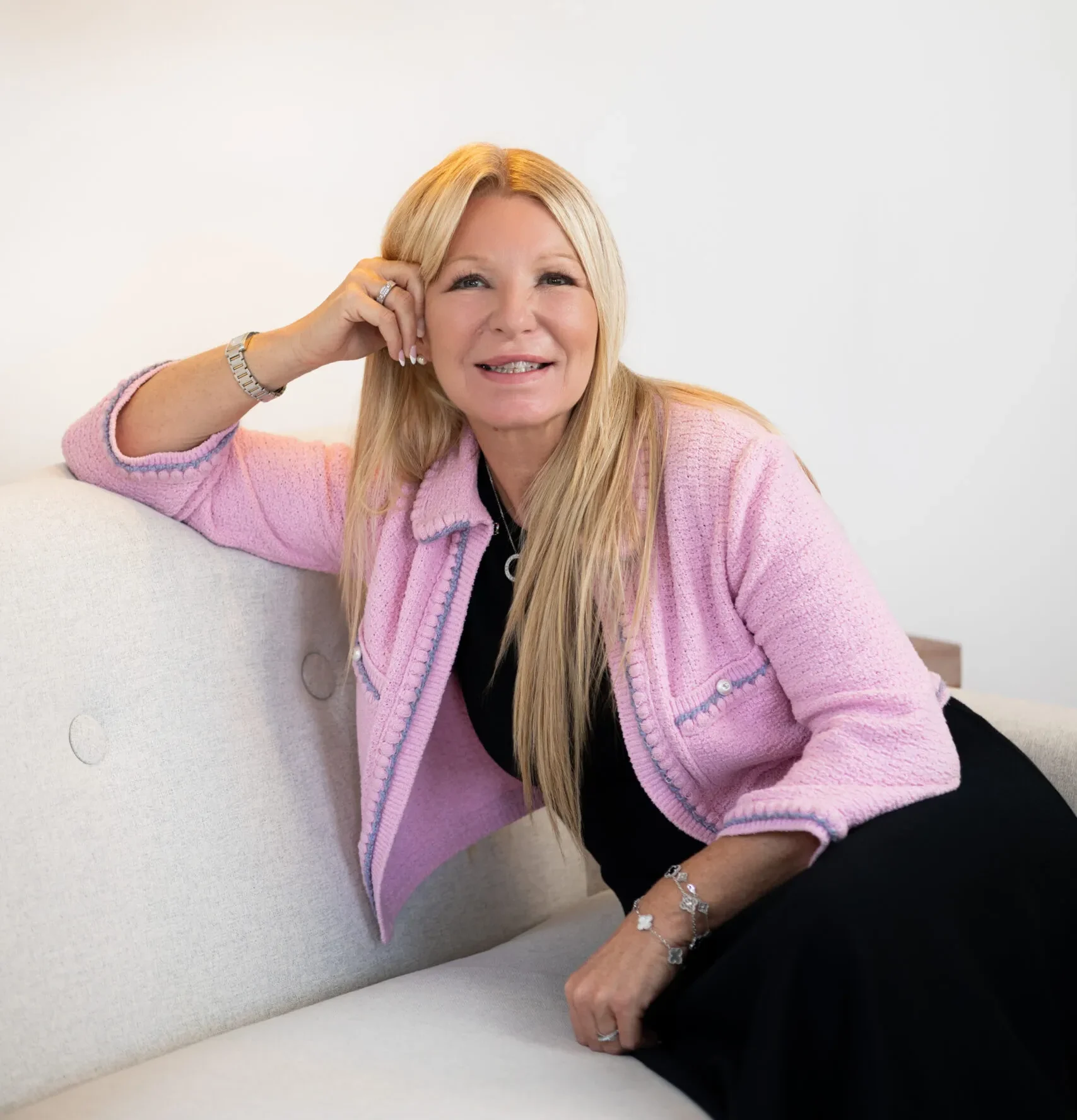
Fiona Yassin is the International Program Director at The Wave, holding multiple credentials including being a registered Psychotherapist and Accredited Clinical Supervisor in both the U.K. and UNCG (Registration number #361609 National and International Council of Psychotherapists). She is EMDR trained (EMDRIA) and practices as a Trauma therapist (Registration number #10000054651).
Fiona’s expertise includes being a member of the International Chapter of IAEDP, with training in CBTe (Oxford Group), FREED (King’s College, London), TF-CBT, RO-DBT, and GPM. Her specializations cover the treatment of Eating Disorders and Borderline Personality Disorder, as well as families in High Conflict Divorces and Psychiatry across the female lifespan.
Additionally, Fiona holds the distinction of being a Fellow of APPCH, a senior accredited Addiction Professional, and a member of The Association of Child Protection Professionals. She is also trained in MBT (Child and Family and Adult) and Reflective Parenting with The Anna Freud Centre for Children and Families, and is a Member of The Australia and New Zealand Eating Disorders Association.
Fiona holds an MSc in Neuroscience and Mental Health awarded by King’s College London, where she received The Dean’s Award. She is currently completing an MSc in Psychiatry at Cardiff University Medical School and is a PhD Candidate in Mental Health Research at Lancaster University. Outside of her professional pursuits, she enjoys spending time with her three cats, going for long walks on the beach, and appreciating the beautiful animals in her garden.
When young people are living with unprocessed trauma, it can affect every part of their self. Young people have described feeling like everything is dark,

While eating disorders and social anxiety can be debilitating for young people, the good news is that both disorders are treatable. With the right support, teenagers and adolescents can manage and recover from difficult symptoms and lead fulfilling lives.

ender norms are a society’s ideas and expectations about how people of different genders should act and relate to each other. In most communities, gender norms help to maintain a system of hierarchy where what is seen as male and masculine is given power and privilege while females and other gender identities are marginalised.

Dialectical behavioural therapy (DBT) is a type of cognitive behavioural therapy that teaches young people to accept their emotions while changing unhelpful ways of behaving or thinking. This blog offers some information on how DBT works, which conditions it can treat, and how it can support young people to build brighter futures.

In the past few years, swimming has emerged as a promising treatment for both children and adults with ADHD. Swimming may help young people to improve their cognitive skills, behaviour, academic performance, and mental health. Swimming sessions also leave space for creative thought and free practice without recurring exercises, offering an interesting and engaging experience for young people.

Hallucinations and delusions are some of the lesser-known – and less often discussed – symptoms of BPD. While research shows that these experiences are common among young people with the disorder, conversations and awareness about the connection are still lacking. In assessments and treatment, they are also often overlooked.

Adolescents and young adults who experience frequent nightmares may be living with a nightmare disorder. Nightmare disorders have a big impact on a young person’s daily life: they may cause disruptions to their sleep, daily distress, insomnia, and symptoms of anxiety or depression.

It’s normal for young people to have goals that they want to achieve. Aims and targets can help teenagers and adolescents to feel motivated and

This blog looks into how schizoaffective disorder can affect a young person’s educational journey as they move from adolescence to adulthood. It also outlines some treatments for the condition that can help to reduce symptoms and stop them from returning in the future.

When a young person develops an eating disorder, it’s never the fault of the parents. Eating disorders have many complex causes and most likely develop from a combination of genetics, personality traits, early life experiences, social and media pressures, and other factors.

The impact of every suicide is far-reaching. Research suggests that, on average, 135 people may be affected when a person takes their life. Among those

Every family experiences moments when somebody feels disappointed, misunderstood, criticised or let down – these are all part of the orchestra of family life. For

Every family has its own dynamics, its own patterns and, at times, its own moments of feeling stuck. While the details may differ, one experience


