I Feel Empty Inside: What Is Emptiness in Borderline Personality Disorder?
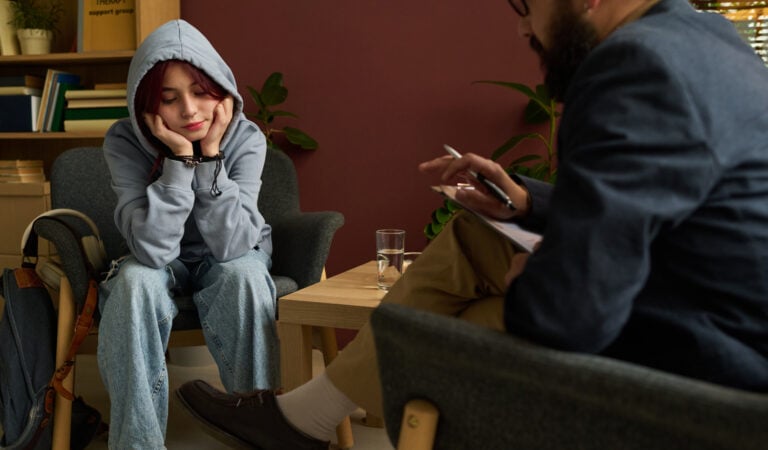
Young people with borderline personality disorder often experience feelings of emptiness. They might describe these feelings in different ways. They may talk about a sense

Young people with borderline personality disorder often experience feelings of emptiness. They might describe these feelings in different ways. They may talk about a sense

This blog explores the similarities and differences between borderline personality disorder and complex PTSD, and what is needed to make an accurate diagnosis. It also offers some information on the medical and social context in Australia, and how this can impact diagnostic practices.

Borderline personality disorder used to only be diagnosed in young people after the age of 18. But there is now a consensus in the medical community that BPD can be reliably and accurately diagnosed during adolescence, with a similar prevalence and stability of symptoms to the disorder among adults.

Psychotherapy approaches can be delivered in both residential and outpatient settings. In outpatient settings, young people with borderline personality disorder attend regular therapy sessions while continuing to live in their home environment. They may participate in a combination of different approaches, or one psychotherapy approach alongside other kinds of psychosocial support.

Today, kidfluencing has become its own industry, but one that is barely recognised. Without effective regulations, many young people are vulnerable to exploitation by companies with little protection of their rights. Kidfluencing can also have a big impact on their daily routines, education, friendships, and socioemotional development.

This blog explores some of the gender differences in different aspects of borderline personality disorder. Unfortuantely, most studies include adults and not adolescents, and include only women and men. We’ve included some of the key research findings here.

This blog offers some information about our stress response system, toxic stress, and how it affects young people. It also provides some advice for caregivers supporting children in very stressful contexts.

Children and adolescents who have experienced complex trauma have been exposed to multiple, ongoing traumatic events. These are usually interpersonal in nature, involving violent, abusive, or otherwise harmful relations between persons. This might include neglect or abuse at home, war, or community violence.
Social media use can quickly become problematic, developing into addictive behaviours and contributing to mental health problems like low self-esteem, anxiety, and depression.
Have any questions or want to get started with the admissions process? Contact our friendly care team – they’ll be happy to answer any questions or concerns you might have and will walk you through how to prepare for your child’s stay at The Wave.
Have any questions or want to get started with the admissions process? Fill in the form below and we’ll get back to you as soon as possible.